Tanah Lot Temple History, Myths & Uluwatu Comparison
Bali holds countless sacred sites, but few capture the imagination quite like Tanah Lot Temple. Perched dramatically on its sea-battered rock, this iconic temple offers more than just stunning sunset views. If you're planning a trip to Bali, understanding the rich tanah lot temple history, its local legends, and how it stacks up against other famous temples like Uluwatu can really deepen your experience. We're going to dive into the ancient stories that built this place, explore the myths that still linger around its stone walls, and then tackle the big question many travelers ask: should you visit Tanah Lot, or is Uluwatu a better fit for your itinerary? We'll cover what makes each unique, helping you decide where to spend your precious Bali time.Book your Tanah Lot Temple experience:
The Deep Roots of Tanah Lot Temple History
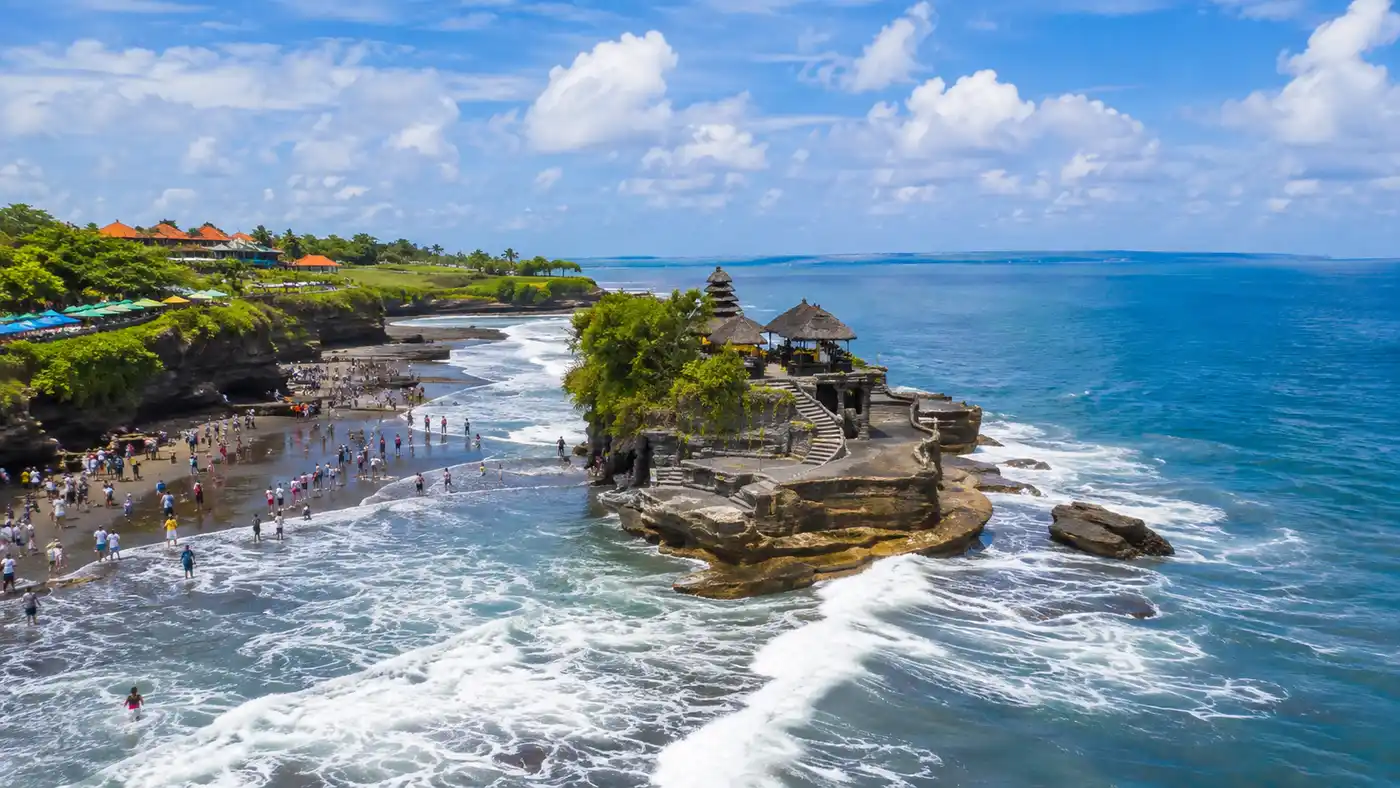
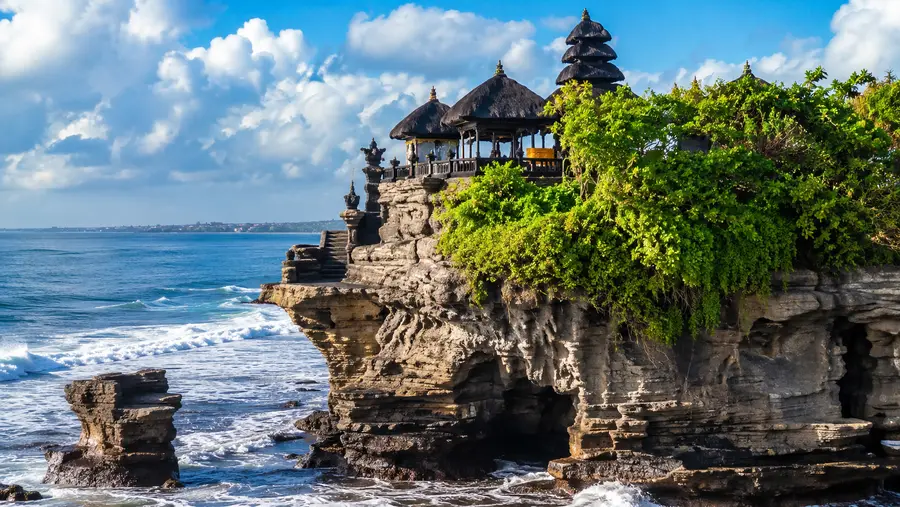
The story of Tanah Lot Temple begins much earlier than most people realize. Its origins trace back to the 16th century, making you wonder, just `how old is Tanah Lot Temple` exactly? Well, it was founded by a revered Hindu priest named Dang Hyang Nirartha. He traveled all the way from Java, spreading Hinduism across Bali. Legend says he was drawn to this particular rock formation, finding it incredibly sacred, a perfect spot to meditate and worship the sea gods. Villagers here initially resisted his teachings. They felt threatened by his growing influence. But Nirartha, with his spiritual power, supposedly moved the entire rock offshore, creating the distinct island temple we see today. The name "Tanah Lot" itself translates to "Land in the Sea," which makes perfect sense once you've seen it. This foundational tale is central to its identity. Nirartha established a sea temple network along Bali's coast. Tanah Lot became an integral part of this spiritual chain, designed to protect the island from evil spirits coming from the ocean. It's a truly ancient site, with centuries of devotion etched into its very stone.Pro tip: If you really want to connect with the temple's ancient energy, try to visit early in the morning. The crowds are much thinner, and the soft light before noon offers a peaceful, almost mystical atmosphere, letting you appreciate the quiet power of the place without hundreds of camera flashes.
Myths, Legends, and the Tanah Lot Temple Curse
Beyond its origins, Tanah Lot is steeped in fascinating folklore. One of the most talked-about legends involves the `tanah lot temple curse`. The story goes that anyone who marries after visiting Tanah Lot together will eventually break up. It sounds like something out of a fantasy novel, doesn't it? Honestly, I think this might be more of a fun local superstition than a serious warning, but you do hear people mention it. It certainly adds an extra layer of mystique for couples visiting the site. Then there are the holy snakes, a significant part of the temple's protection. Legend states that poisonous sea snakes guard the temple from evil spirits and intruders. These aren't just mythical creatures; you can actually see them. At low tide, a small cave at the base of the rock is home to several banded sea snakes. Local priests consider them sacred guardians. You can even offer a small donation to touch one, if you're brave enough. They're usually quite docile, often sleeping. This experience definitely makes you ponder the deep connection between Balinese spirituality and the natural world. Many people come specifically to see the `snake Tanah Lot Temple` is famous for. It's a unique element you won't find at many other temples.Note: While touching the snakes is offered, remember these are wild animals and sacred creatures. Always follow the instructions of the local priests and maintain a respectful distance from the cave entrance if you're not participating in the blessing ritual.
Tanah Lot vs. Uluwatu Temple: Which is Better?
This is a common dilemma for travelers. Both Tanah Lot and Uluwatu are spectacular sea temples, famous for their dramatic settings and stunning sunsets. But they offer very different experiences. Asking `Tanah Lot Temple or Uluwatu Temple` is like asking if you prefer a quiet, reflective moment by the sea or an energetic cultural show with monkeys. Uluwatu Temple, perched on a sheer cliff about 70 meters above the Indian Ocean, offers breathtaking panoramic views. Its unique draw is the Kecak fire dance, performed nightly at sunset. The temple itself is ancient, also dating back to the 11th century, and is guarded by mischievous macaques. These monkeys are known for snatching sunglasses, hats, and anything else they can get their paws on. It's an adventure, for sure. Tanah Lot, on the other hand, stands alone on its rock, accessible only at low tide. It's a place of quiet contemplation, focused purely on the temple's spiritual power and the dramatic ocean scenery. There are fewer monkeys, and the atmosphere feels more serene, perhaps a bit more romantic. The sunsets are equally beautiful, maybe even more photogenic with the temple silhouette. So, `which is better Tanah Lot or Uluwatu Temple` really depends on what you're looking for. Here's a quick comparison to help you decide:| Feature | Tanah Lot Temple | Uluwatu Temple |
|---|---|---|
| Location Type | Offshore rock island | Cliff edge, coastal walk |
| Main Attraction | Temple silhouette, spiritual atmosphere, unique tides | Kecak fire dance, cliff views, monkey interactions |
| Sunset Experience | Iconic temple silhouette against the sky | Dramatic ocean views, cultural show |
| Crowd Vibe | Busy, but more spread out along the coast | Very crowded, especially for the Kecak dance |
| Unique Elements | Holy sea snakes, accessible at low tide | Macaque monkeys, Kecak dance performance |
| Distance from Kuta | Approx. 20 km (45-60 min drive) | Approx. 25 km (60-75 min drive) |
- Time of day: Both are stunning at sunset, but Uluwatu's Kecak dance is a specific evening event.
- Interests: Do you want culture and entertainment (Uluwatu) or serene, iconic beauty (Tanah Lot)?
- Travel companions: Families with kids might find the monkeys at Uluwatu more engaging. Couples might prefer the romance of Tanah Lot.
Book your Tanah Lot Temple experience:
Experiencing Tanah Lot: Beyond the Sunset
While everyone flocks to Tanah Lot for sunset, there's actually quite a bit to explore if you arrive earlier. The area surrounding the main temple rock is a bustling complex with smaller temples, market stalls, and beautiful coastal paths. You can spend a good hour or two just wandering around. There's Pura Batu Bolong, another sea temple built on a rocky outcrop with a natural archway, just a short walk north. It offers fantastic photo opportunities, especially with the waves crashing through its arch. The land around Tanah Lot is beautifully landscaped, full of tropical gardens and pathways. It's a pleasant stroll, even if you're not going for the main temple itself. You'll find plenty of warungs and cafes lining the cliffs, offering local snacks and drinks. Grabbing a fresh coconut water and just watching the waves is a simple pleasure here. The entire complex feels vibrant, a mix of spiritual devotion and lively tourism. If you're looking for more to do in the area, we have a helpful article about Things to Do Near Tanah Lot Temple: Attractions, Dining & Stays.
Getting There and Visitor Tips
Getting to Tanah Lot Temple is pretty straightforward from most popular areas in Bali. From places like Seminyak or Canggu, it's usually about a 40-minute drive, maybe an hour from Ubud depending on traffic. Taxis and ride-sharing apps are readily available, or you can hire a private driver for a half-day trip. We've got a whole guide on How to Get to Tanah Lot Temple from Bali's Popular Areas if you need specific directions. Here are some practical tips for your visit:- Entry fee: Expect to pay around IDR 60,000 to IDR 75,000 for adults, and usually about half for children.
- Dress code: While you don't need a sarong to enter the main area, it's respectful to dress modestly when visiting any temple in Bali. Shoulders and knees covered is always a good idea.
- Best time to visit: For photography and fewer crowds, morning is ideal. For the iconic sunset, plan to arrive about 90 minutes before sunset to secure a good viewing spot.
Frequently Asked Questions about tanah lot temple history
How old is Tanah Lot Temple?
Tanah Lot Temple was founded in the 16th century by Dang Hyang Nirartha, a Hindu priest from Java. This makes it around 500 years old.
Is there a curse associated with Tanah Lot?
Yes, local legend suggests that couples who visit Tanah Lot together before marriage are cursed to break up. Many consider it a fun superstition rather than a serious warning.
Are there real snakes at Tanah Lot Temple?
Yes, at low tide, you can see real, venomous sea snakes in a small cave at the base of the temple rock. They are considered sacred guardians of the temple by local priests.
Quick Reference
- Founded in the 16th century by Dang Hyang Nirartha
- Known for its iconic offshore rock formation
- Holy sea snakes guard the temple
- Local legend of a "couples curse"
- Stunning sunset views, especially from nearby cliffs
Book your Tanah Lot Temple experience:
My Take: Is Tanah Lot Worth the Trip?
Absolutely, Tanah Lot Temple is worth the trip. It's an iconic part of Bali's spiritual landscape, a place where history, myth, and natural beauty intertwine. Whether you're drawn by the ancient `tanah lot temple history`, curious about the `snake Tanah Lot Temple` legend, or simply want to witness a truly spectacular sunset, this temple delivers. Don't let the crowds deter you; there's a reason so many people flock here. Just remember to embrace the experience, maybe even find a quiet corner to reflect on its powerful presence.Read more about Tanah Lot Temple.